
How to Start House Flipping Without Losing Your Shirt

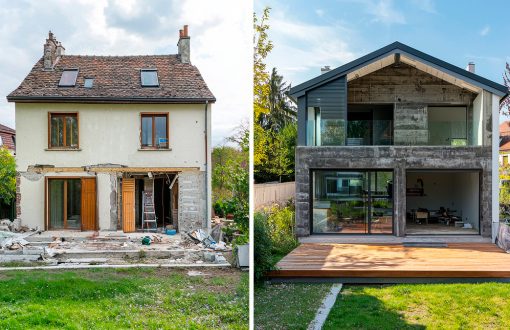
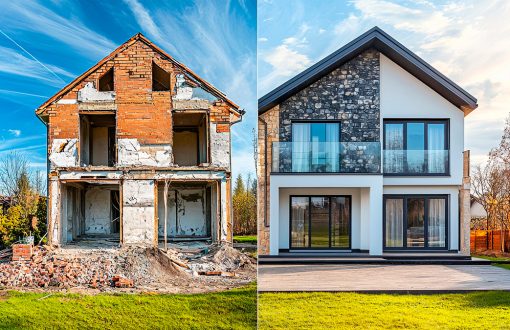
Let me tell you something: every time someone watches one of those shows where they buy a destroyed house and in three weeks transform it into a palace making $80,000, they call me super excited wanting to get into the flipping business. And look, I love the enthusiasm, but reality is way more complicated (and less glamorous) than what they show on TV.
That doesn’t mean you can’t do it. In fact, it’s a super profitable business if you do it right. But you need to keep your feet on the ground and understand what you’re getting into. Here’s what you really need to know to get started.
The uncomfortable truth about house flipping
Before you keep reading, let me clarify something: this is NOT a get-rich-quick business. It’s a job. A hard one. That requires capital, knowledge, contacts, and grit.
TV shows show you the pretty part: the spectacular demolition, the renovation, the beautiful house at the end. What they don’t show:
- The 47 trips to city hall to get permits
- The contractor who disappeared with your deposit
- The plumbing that was worse than you thought (it’s always worse)
- The three extra months it took you to sell the house
- The stress of having $200,000 invested hoping everything works out
Still scaring you or are you still interested? Perfect, because people who understand the risks and prepare well are the ones who make money in this business.
The numbers you NEED to understand (before buying your first property)
Here comes the most important part of the article. If you don’t understand these numbers, don’t buy a single house. Seriously.
The 70% rule (your best friend)
This is the magic formula of flipping: never pay more than 70% of the estimated resale value, minus renovation costs.
Practical example: you found a house that after renovation will be worth $300,000. Renovations will cost you $50,000.
Your maximum purchase price is: ($300,000 x 0.70) – $50,000 = $160,000
If the seller wants $180,000, it’s not worth it. Period. No way around it.
Why so conservative? Because that 30% margin you left covers:
- Purchase costs (lawyers, inspections, etc.)
- Sale costs (agent commission, usually 5-6%)
- Holding costs while you renovate (taxes, utilities, insurance)
- Contingencies (and there are ALWAYS contingencies)
- Your profit
The real cost of renovating (spoiler: it’s more than you think)
Let me give you real numbers from Massachusetts, based on projects we’ve done:
Light renovation (cosmetic): $15,000 – $30,000
- Complete painting
- New floors
- Kitchen and bathrooms updated (not renovated, updated)
- Presentable yard
- Minor repairs
Medium renovation: $40,000 – $70,000
- All of the above, plus:
- Complete kitchen renovation
- Renovation of 1-2 bathrooms
- New windows
- Some electrical/plumbing work
Deep renovation: $80,000 – $150,000+
- Complete renovation
- Structural issues
- New roof
- Complete electrical/plumbing system
- Additions
And heads up, these numbers assume you’re managing the project and getting good prices with contractors. If you leave everything in others’ hands without supervising, multiply these numbers by 1.5 easy.
Your first property: how to choose it without screwing up
Here comes the dilemma: do I start with something easy and small, or do I dive into a big project?
My advice, after seeing dozens of beginners: start small and simple.
Characteristics of the ideal house for your first flip:
1. Cosmetic renovation only
Look for a house that needs paint, floors, kitchen and bathroom updates. Nothing with structural problems, new roofs, or redoing the entire electrical system. Leave those projects for when you have experience (and stomach for the stress).
2. Location in growing neighborhood
Don’t go to the most expensive or cheapest neighborhood. Look for middle-class areas where families want to live: good schools, parks nearby, shops. Those houses sell themselves.
A common mistake is buying in the roughest neighborhood because “it’s cheaper.” Yeah, it’s cheaper for a reason. And it’ll be harder to sell.
3. Standard size
A 3-bedroom, 2-bathroom house, between 1,300 and 2,000 square feet. That’s your comfort zone. It’s what most families are looking for and what sells fastest.
Weird houses (like a 1-bedroom or 6-bedroom) are harder to sell. Leave the exotic stuff for later.
4. No legal surprises
Verify it has no liens, property title issues, or problems with the city. Pay a lawyer to review all this BEFORE buying. The $1,000 that review costs you can save you $50,000 in headaches.
The financing: how to pay for the house (without mortgaging your soul)
Here comes the thorny issue: you need money to buy the house. Quite a bit of money. Where do you get it?
Option 1: Own capital
If you have $100,000-150,000 saved up, you can finance your first flip yourself. It’s the most expensive option (because it’s your money), but also the simplest and without pressure from third parties.
Advantage: total control and you keep all the profits. Disadvantage: if it goes wrong, you lose YOUR money.
Option 2: Traditional loan
You can get a regular mortgage, but here’s the thing: most banks won’t lend you money for a house that’s in really bad shape. And the ones in good shape aren’t good for flipping (because they’re expensive).
Plus, the process is slow (30-45 days minimum) and in this business speed matters.
Option 3: Hard money loans
These are loans specifically for flippers. They’re more expensive (interest rates of 8-12% vs. 6-7% for a traditional mortgage), but:
- You get approved fast (a week or less)
- They give them for houses in any condition
- They’re based on the property value, not so much on your credit history
The move is to use them for short projects (3-6 months). It’s not worth having one of these loans for a year because it eats up all your profits.
Option 4: Partners
You can partner with someone who puts up the money while you put in the work. Typically it’s split 50/50, though it depends on the negotiation.
Advantage: you don’t need initial capital. Disadvantage: you share the profits and you need to have VERY clear agreements from the beginning (in a contract signed by lawyers, not on a bar napkin).
The team you need to build (you can’t do it alone)
Here comes another illusion you need to break: you’re not going to do everything yourself. You need a team. Period.
Your real estate agent: Who knows the investment market, not the traditional residential one. You need someone who understands what a good deal is and can get you properties before they hit the public market.
Your general contractor: This is the most important hire. A good contractor saves you time and money. A bad one can sink your project. Ask for references, visit previous jobs, and don’t hire the cheapest. Hire the one with the best reputation within your budget.
Your inspector: Always, ALWAYS do an inspection before buying. Have someone who’s not afraid to tell you the truth, even if it’s ugly. Better to find out about problems before buying than after.
Your accountant: To handle taxes well, because this business has its tax particularities. Don’t use the same one who does your personal return. You need someone who understands real estate investments.
The mistakes that sink beginners (learn from others’ mistakes)
Mistake #1: Falling in love with the property
You’re not going to live there. It doesn’t matter that the backyard is beautiful or that you love the view. What matters is whether a buyer will pay good money for it. Keep a cool head and think like an investor, not a resident.
Mistake #2: Over-renovating
Don’t put imported Italian granite in a middle-class neighborhood house. Buyers won’t pay extra for that. Renovate to the neighborhood level, not more. It’s a very expensive mistake to want to make “your dream house” when you’re doing a flip.
Mistake #3: Underestimating time
If you think it’ll take 2 months, plan for 3. If you think 3, plan for 4. Projects ALWAYS run late. Contractors who get sick, materials that don’t arrive, inspections that reveal new problems. It’s part of the business.
Every extra month is money you lose in loan interest, taxes, and utilities. Plan conservatively.
Mistake #4: Not having a contingency reserve
This is critical: always, ALWAYS keep an extra 15-20% of your renovation budget for things you didn’t plan. Because they will show up.
That beautiful hardwood floor you wanted to restore has termites. The roof that seemed okay is rotten. The 1950s plumbing has to be completely replaced. These things happen ALL the time.
Mistake #5: Ignoring the numbers because of enthusiasm
You find a nice house, in a good neighborhood, at a good price. You get excited. You do the math in a hurry, convincing yourself it works. You buy.
And three months later you realize that with the real numbers, if you sell at the price you expected, you barely break even or even lose money.
Take your time with the numbers. Do them and redo them. Show them to someone with experience. Review your assumptions. And if they don’t close, don’t buy. Another opportunity will come up.
The part nobody talks about: the emotional side of flipping
This is stressful work. You’re going to have sleepless nights wondering if you made the right decision. You’re going to want to kill your contractor at least once a week. You’re going to watch your bank account go down and down for months before (hopefully) going up when you sell.
It’s not for everyone. Some people love it (the adrenaline, seeing the transformation, the challenge). Others do it once and say “never again.”
What I will tell you: your first project will be the hardest. Not because it’s the most technically complicated, but because everything is new. You don’t know what to expect. Every problem seems like a catastrophe.
With the second one you already have experience. With the third you already have a team assembled and processes. It gets easier and less stressful.
The action plan for your first flip
If you read this far and you’re still interested, here’s your roadmap:
Step 1 (Month 1-2): Educate yourself. Read books, take a course, talk to people who already do it. Don’t spend $100,000 without knowing what you’re getting into.
Step 2 (Month 2-3): Build your team. Meet agents, contractors, inspectors. Go see properties just to practice evaluating them.
Step 3 (Month 3-4): Get your financing. Whether you use your money, a partner, or hard money, have that resolved BEFORE finding the perfect property.
Step 4 (Month 4-6): Look for your first property. Be patient. Don’t buy the first one you see. Wait for a deal that really works with the numbers.
Step 5: Buy, renovate, sell. Here the real adventure begins.
The million-dollar question: Is it worth it?
Look, I’m going to give you the answer you don’t want to hear: it depends.
It depends on your financial situation, your risk tolerance, your ability to handle stress, your time available, and honestly, a bit of luck.
What I can tell you is this: if you do it right, house flipping can be incredibly profitable. We’re talking profits of $30,000-60,000 per project, and if you get good at it, you can do 3-4 projects a year.
But you need to go in with your eyes open. It’s not passive income. It’s not easy money. It’s real work that requires real knowledge and real capital.
The people who succeed in this business are the ones who:
- Do their homework before jumping in
- Stick to the numbers religiously
- Build a good team
- Don’t let emotions drive decisions
- Learn from each project
If that sounds like you, then yeah, it might be worth it. If not, there are easier ways to invest your money.
One last thing
Listen, whether you decide to get into house flipping or you’re looking to sell your house fast, the key is making informed decisions. Don’t rush. Don’t let FOMO (fear of missing out) push you into a bad deal.
We’ve been in this business long enough to see all kinds of situations. The winners aren’t the ones who move fastest or spend the most. They’re the ones who do their homework, stick to their numbers, and don’t get emotional.
If you’re thinking about selling a house in Massachusetts, or you want to talk about getting into flipping, give us a call. We’re happy to share what we know. No pressure, no sales pitch. Just honest conversation about real estate.
Because at the end of the day, this business is about people, not just properties. And we’d rather have a reputation for being helpful than for being pushy.